
Business
Indiana Walmart worker, 21, killed; police say suspect knew her
By Carlos Rivera
Advertisement · Why this ad?
Carlos has a background in Finance from Drexel University and over 6 years of experience reporting on local businesses for regional economic publications. He focuses on how small businesses are adapting and thriving in Allentown.
More from Carlos →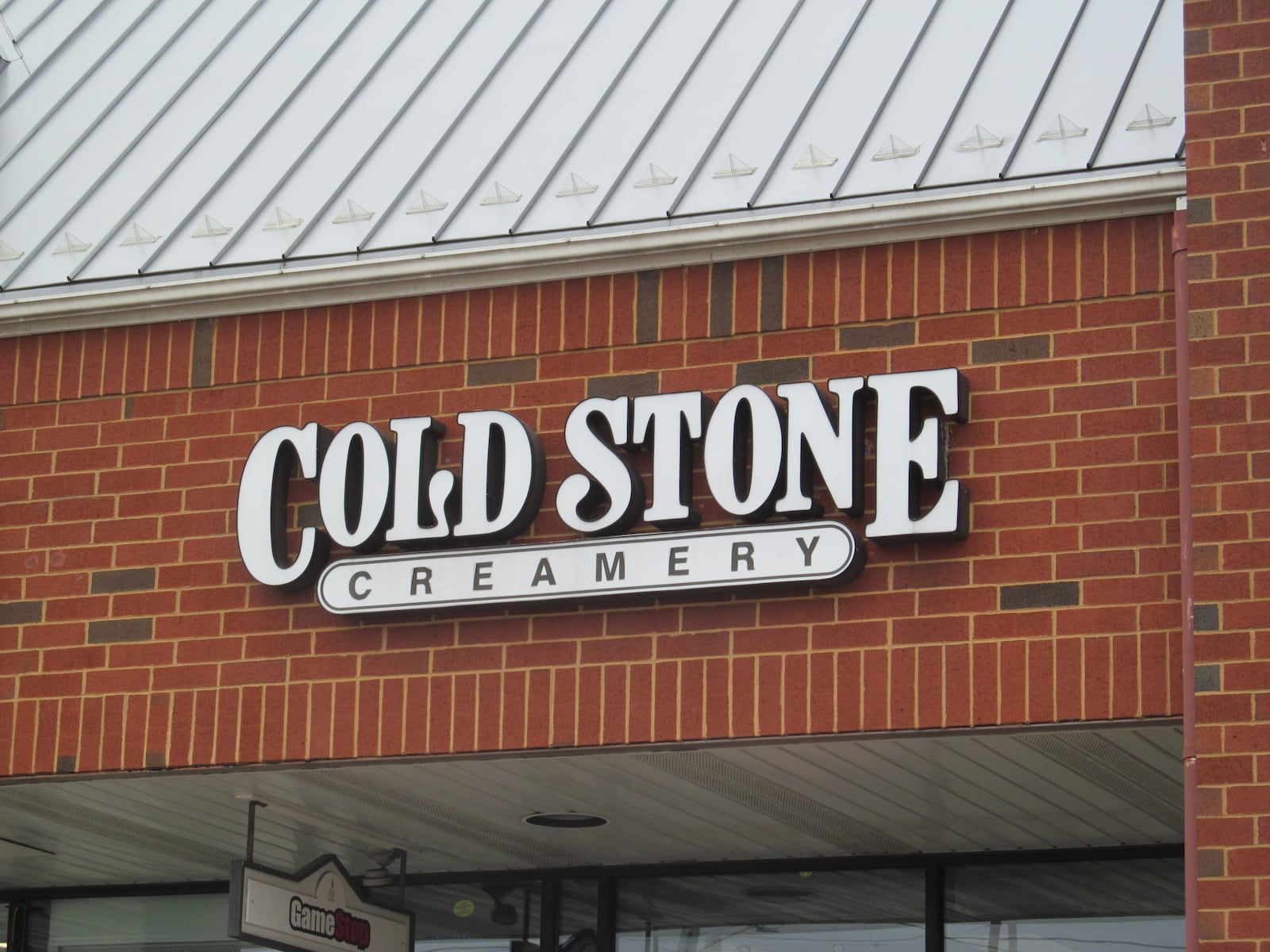
On a chilly morning in Allentown, local franchise owner Sarah Martinez stood behind the counter of her Cold Stone Creamery, watching families savor their favorite ice cream treats. Little did she know that behind the scenes, a high-stakes corporate battle was unfolding—one that could reshape the landscape of beloved American brands and impact her community’s cherished traditions. This quiet but significant clash involves a Canadian conglomerate refusing a staggering $720 million takeover bid from a rival company, a move that preserves the independence of brands like Papa Murphy’s, Cold Stone Creamery, and Wetzel’s Pretzels.
In a bold move announced last week, the Canadian parent company, which owns several well-known franchise chains, publicly rebuffed a lucrative acquisition offer from a major U.S.-based competitor. The bid, valued at approximately $720 million, was made in an effort to consolidate market share and expand its footprint across North America. However, the Canadian firm’s leadership emphasized their commitment to maintaining the autonomy of their brands, citing their long-standing reputation for quality and community engagement.
The bid was reportedly initiated in late 2023 by a rival conglomerate seeking to leverage the popularity of brands like Papa Murphy’s, Cold Stone Creamery, and Wetzel’s Pretzels to dominate the fast-casual and quick-service sectors. The Canadian company, which has operated since 2004, owns over 800 franchise locations across the United States and Canada, and has seen steady growth, especially in markets like Allentown, where family-oriented dining remains a cornerstone of community life.
The news of the rejection has stirred considerable interest among local residents and business owners. Many see the decision as a safeguard for the community’s beloved businesses, which have become fixtures in neighborhoods and shopping centers. “These brands are more than just places to grab a quick bite or a sweet treat; they’re part of our families’ traditions,” said local resident and mother of three, Lisa Hernandez. “I’m glad they’re staying independent, so they can keep serving our community with the same care and personal touch.”
For Allentown, the refusal to sell preserves the stability of these familiar dining options, which support local jobs and foster community connections. According to the Allentown Chamber of Commerce, franchises like Cold Stone and Papa Murphy’s generate hundreds of jobs and contribute millions annually to the local economy. This decision also signals a broader trend of maintaining small-business independence amid increasing corporate consolidation, a principle that resonates with many residents who value authentic community ties and family-owned enterprises.
While some industry analysts speculate that the Canadian company’s stance might slow future expansion plans, local business advocates see it as a positive sign of resilience. “When large corporations respect the roots of local businesses, it’s a win for everyone,” noted chamber president Mark Williams. “It encourages other companies to prioritize community values over mere profit margins.”
Allentown, a city with a rich industrial history and a diverse population of approximately 125,000 residents, has long been a community that values local entrepreneurship. Its economy has historically thrived on manufacturing, but in recent decades, the city has seen a significant shift toward service industries, especially food and retail. The presence of franchise giants like Cold Stone and Papa Murphy’s provides not just employment but also a sense of stability and familiarity for many families.
Sarah Martinez, who has owned her Cold Stone franchise for over five years, is part of a broader community of small business owners who see these brands as more than just commercial entities—they are part of the social fabric. “When you own a franchise here, you’re not just running a business; you’re supporting local families, schools, and charities,” she explains. “The idea that someone might come in and buy us out, changing the way we serve our community, is concerning.”
Furthermore, these brands serve as gathering spots for celebrations, casual meetups, and family outings—integral to the social life of Allentown. Preserving their independence helps ensure that their community-oriented approach remains intact, reinforcing a sense of belonging among residents.
Looking ahead, the Canadian parent company has indicated it will continue to focus on organic growth and franchise support rather than acquisition. This decision aligns with their mission to uphold quality standards and community involvement, which have been central to their brand identity. For residents and franchise owners alike, this means stability and continuity, especially during a time when many communities are wary of rapid corporate takeovers.
Meanwhile, the rival company behind the bid has expressed respect for the Canadian firm’s decision, hinting that future negotiations could still be on the table. Industry insiders suggest that this ongoing competition might lead to more strategic partnerships and innovations within the sector, ultimately benefiting consumers and local economies. The rivalry has also sparked a broader conversation about the importance of local control versus corporate expansion, a debate that resonates deeply in Allentown’s community forums and city council meetings.
As Allentown’s beloved brands continue to thrive under their current ownership, the community can look forward to enjoying familiar flavors and friendly faces for years to come. The decision to keep these brands independent underscores a larger movement across many small towns and cities, emphasizing the value of local ownership and community engagement in the face of increasing corporate consolidation.
Across the United States, and indeed North America, corporate consolidation has become a defining feature of the fast-food and retail landscape. Large conglomerates often acquire multiple brands, aiming to streamline operations and maximize profits. However, critics argue that such consolidations can erode local character, reduce competition, and diminish the personal touch that small businesses provide.
In this context, the Canadian company’s decision to reject the takeover bid is notable. It reflects a broader trend among some companies to prioritize community values and brand integrity over rapid expansion. Many of these companies have built their reputations on quality, local engagement, and a sense of family—values that can be lost when a brand is absorbed into a larger corporate entity.
For communities like Allentown, this stance offers a glimmer of hope that not all corporate decisions are driven solely by profit. It signals that there are still companies willing to stand up for their local roots and for the communities that support them. This stance also encourages consumers to think critically about where they spend their money, fostering a culture of supporting local businesses that prioritize community wellbeing.
While the immediate threat of acquisition has been averted, the landscape remains dynamic. The Canadian company has announced plans to double down on franchise support, invest in new store designs, and enhance community outreach programs. These initiatives aim to strengthen their brands from within, ensuring they remain competitive without losing their local appeal.
For franchise owners like Sarah Martinez, this means continued support and resources to grow their businesses organically. It also provides reassurance that their commitment to community service and personalized customer experiences will remain a priority. Local residents can expect to see more community events, charity drives, and local collaborations as part of this renewed focus.
On the other hand, the rival company, which had made the bid, has indicated it remains interested in future opportunities. Industry analysts suggest that this ongoing rivalry could lead to innovative collaborations, joint ventures, or new franchise models that better serve local markets. Such developments could ultimately benefit consumers by offering more choices, better quality, and stronger community ties.
As Allentown’s community continues to rally around its beloved brands, the story underscores a vital truth: that the heart of small-town America still beats strongest where local businesses are valued and nurtured. This episode serves as a reminder that community-centered business practices are not just good for local economies—they are essential for preserving the unique character and spirit of places like Allentown.
In the coming months, local leaders, business owners, and residents will likely keep a close eye on how these corporate negotiations unfold. Their collective voice and support will be crucial in shaping the future of these brands and ensuring that community values remain at the forefront of business decisions.
By Carlos Rivera
By Carlos Rivera

By James O'Donnell

By Jamal Wright